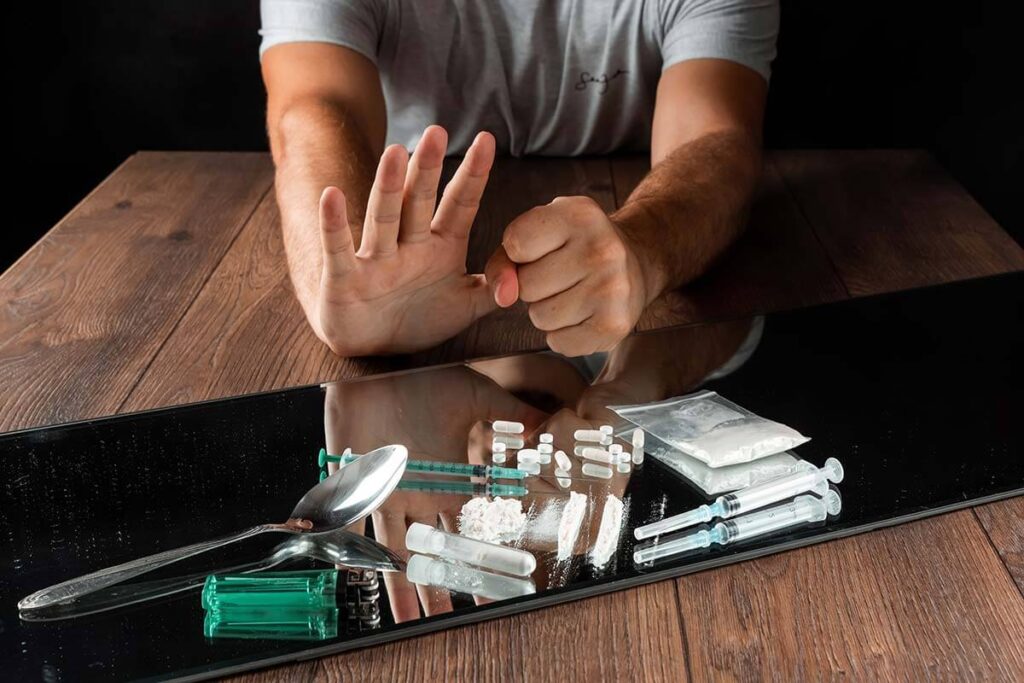
The Luxury of Escape: How High-Profile Figures Fall Into Addiction’s Grip

To the outside world, high-profile figures appear to have it all—wealth, status, influence, and access to a life most can only dream of. But beneath the glitz and glamour lies a powerful contradiction: the very privileges that come with success can also provide the perfect storm for addiction. The luxury of escape—be it through exclusive parties, private prescriptions, or unlimited resources—can quickly become a trap, leading even the most accomplished individuals into addiction’s unforgiving grip.

Wealth as a Double-Edged Sword

Financial freedom allows for comfort, security, and indulgence. But for high-profile individuals, it also means there are fewer limits. When stress, anxiety, or emotional exhaustion creep in, the ability to “treat” these feelings is just a call or click away. Private doctors, discreet deliveries, and elite circles where drug use is normalized create a world where the consequences of substance abuse are delayed—if not entirely hidden.

Unlike the average person, a celebrity or powerful executive doesn’t need to worry about missing work due to a hangover or affording another refill. The guardrails that often curb excessive behavior simply don’t exist in their world. This freedom, while enviable on the surface, can allow addiction to flourish unchecked.

Escaping Pressure and Perfection

Fame and influence come with immense pressure. High-profile figures are constantly under scrutiny, expected to perform, look perfect, and maintain their success. The expectations are endless—and human emotions don’t always cooperate.

This internal conflict between public image and private reality creates emotional strain. To manage it, many seek escape. Drugs and alcohol become tools not for celebration, but for survival. They provide a moment of relief, a way to disconnect from the demands of being in the spotlight. For many, these substances feel like the only thing that offers peace in a life otherwise dictated by public perception.

The Illusion of Control

One of the most deceptive aspects of addiction in high-profile lives is the illusion of control. Successful individuals are used to managing their careers, their image, and their environment. They believe they can manage their substance use, too.

But addiction does not discriminate based on income or influence. What begins as a controlled escape can become a consuming dependency. The turning point often arrives when the substance stops being a choice and becomes a necessity.

Hidden in Plain Sight

High-profile figures often hide their addiction in plain sight. The luxury lifestyle can mask the signs. Trips to rehab are disguised as “spiritual retreats.” Relapses are brushed off as exhaustion or stress. And because their world is carefully curated, few people are close enough—or brave enough—to intervene.

Recovery is Possible, Even in the Spotlight

The luxury of escape may lead to addiction, but recovery is also possible—with the right support, honesty, and willingness to step out from behind the curtain. As more public figures share their recovery journeys, they dismantle the myth that success equals invincibility.

Addiction thrives in secrecy and silence. But with truth, accountability, and compassion, even those who seem to have it all can find their way back—stronger, wiser, and finally, free.

Success and Self-Destruction: The Dangerous Link Between Power and Addiction

Success and power are often seen as the pinnacle of human achievement. Society idolizes those who have climbed to the top—whether they’re business tycoons, political leaders, or celebrities. Yet behind the boardrooms, stages, and spotlights lies a rarely discussed truth: success and power can become breeding grounds for addiction and self-destruction.

The paradox is striking. How can individuals with immense influence and resources fall prey to something as debilitating as addiction? The answer lies in the psychological and emotional toll that power can take, often in ways that are hidden from the public view.

Power Amplifies Pressure

With success comes immense pressure. High-achieving individuals are expected to maintain their status, deliver consistent results, and uphold a near-perfect public image. There is little room for error. The higher one rises, the greater the fall—and the more people watching.

This pressure to perform, often coupled with long hours, emotional exhaustion, and the fear of losing everything, can be overwhelming. For many, substances become a way to cope. Whether it’s stimulants to boost energy, alcohol to unwind, or opioids to numb emotional pain, addiction often begins as a functional solution. But it quickly spirals into dependency.

Isolation at the Top

Success and power can be isolating. Those in leadership or high-profile roles frequently find themselves surrounded by people who agree with them, flatter them, or depend on them. Genuine, honest relationships become rare. Trust is difficult to establish when you’re unsure of others’ intentions.

This isolation can make emotional struggles even more difficult to bear. When there is no safe space to be vulnerable, individuals often turn inward. In that solitude, addiction can take root. Substances provide a sense of control, relief, and even companionship—until they become a trap.

The Illusion of Control

People in power are used to being in control—of teams, projects, finances, and futures. That illusion of control can carry over into how they manage their personal challenges. Many believe they can control their substance use just as they control their professional life.

But addiction doesn’t operate within the same rules. It slowly erodes discipline, judgment, and well-being. And when the person finally recognizes they’ve lost control, the shame of admitting weakness in a world that expects perfection can be paralyzing.

Enablers and the Culture of Silence

Powerful individuals are often surrounded by enablers—people who are financially or professionally dependent on them and therefore hesitant to intervene. These enablers may ignore warning signs or even assist in covering up problematic behavior, creating a culture where the addiction is protected instead of challenged.

The Path to Healing

Breaking the cycle of success-driven self-destruction starts with honesty. More leaders and public figures are beginning to share their recovery journeys, proving that vulnerability is not weakness, but courage. True strength lies in recognizing when help is needed and taking steps toward healing.

Power and success do not shield anyone from addiction. In fact, they often mask it. But by fostering environments that prioritize mental health and support over perfection, we can begin to disconnect the dangerous link between power and self-destruction.

The Burden of Perfection: When Your Public Persona Hides an Addictive Reality

In a world where image often outweighs authenticity, the burden of perfection can become a silent killer. For those in the public eye—celebrities, influencers, executives, and thought leaders—the demand to appear flawless is relentless. They are praised for their composure, charisma, and confidence. Yet beneath the curated smiles and seemingly effortless success, many are quietly battling addictions that contradict the personas they project.

The gap between who someone appears to be and who they truly are can be immense. This dual existence is not only emotionally exhausting but also dangerous. When a person is forced to maintain an idealized version of themselves for public consumption, they often repress their struggles, deny their vulnerabilities, and turn to harmful coping mechanisms to survive.

The Cost of the Mask

Living behind a mask of perfection requires constant effort. Every public appearance, social media post, or interview must align with the narrative of success and control. There is no room for error—no visible signs of fatigue, anxiety, or emotional turmoil. This level of performance creates an internal conflict.

Underneath the polished exterior, real human emotions brew—stress, insecurity, loneliness, and fear of failure. But because acknowledging these feelings publicly might damage their reputation, many suppress them. Over time, this suppression can manifest in the form of substance abuse, disordered behavior, or mental health crises.

Addiction as a Coping Mechanism

Addiction often enters quietly, disguised as a solution. A drink to unwind after a long day. A pill to get through a performance. A line to stay alert and energized. At first, it seems manageable—even necessary. But eventually, the reliance grows.

For those under intense public scrutiny, substances can offer temporary relief from the crushing weight of expectations. They provide escape, control, and emotional numbing. Yet ironically, they also deepen the divide between the public persona and private reality. As the addiction worsens, the individual becomes increasingly isolated, fearful that being “found out” will destroy everything they’ve built.

The Fear of Being Exposed

One of the greatest barriers to recovery for high-profile individuals is the fear of exposure. Admitting to addiction feels like admitting failure—not just personally, but professionally. The media can be unforgiving, and fans or stakeholders may react with disappointment or criticism.

This fear often keeps people suffering in silence far longer than they should. They hide their pain behind more success, more appearances, and more lies. The facade becomes so deeply embedded in their identity that breaking free from it feels impossible.

The Power of Vulnerability

Fortunately, a cultural shift is beginning. More public figures are speaking out about their battles with addiction and mental health, challenging the myth that success means perfection. Their honesty reminds us that true strength lies not in the ability to hide pain but in the courage to face it.

When the burden of perfection is lifted, healing can begin. By embracing vulnerability and seeking help, individuals can reclaim their lives—not as perfect personas, but as real, whole people. Behind every curated image is a human being who deserves compassion, not judgment.

Addicted to the Limelight: How Public Pressure Drives Private Struggles

Fame, fortune, and admiration—these are the rewards many crave, but for those who achieve them, the reality is far more complex. The limelight, once viewed as a symbol of success, can quickly become a source of pressure, isolation, and dependency. Public figures—from actors and musicians to athletes and influencers—often find themselves addicted to the very attention they once sought, driven by the intense scrutiny and expectations that come with their public lives. As the demands of their careers grow, so do their private struggles, many of which involve substance abuse or mental health issues.

The Weight of Expectations

When someone achieves fame, they are no longer just an individual—they are a brand, a symbol, an object of desire. The public expects them to be flawless, endlessly charismatic, and perpetually successful. The pressure to meet these expectations is overwhelming, especially when each misstep is amplified by social media, the press, and the public eye.

This constant demand for perfection can lead to a variety of coping mechanisms, and unfortunately, many of these involve unhealthy behaviors. Drugs, alcohol, and even prescription medications become crutches for managing anxiety, depression, and stress. The desire to maintain their image of perfection can quickly spiral into dependency, as substances temporarily numb the emotional pain of being perpetually in the public eye.

The Isolation of Fame

Ironically, the more famous someone becomes, the lonelier they often feel. While surrounded by fans, colleagues, and managers, the isolation of fame can be profound. High-profile individuals often find it difficult to trust those around them, unsure whether people are interested in them for who they are or what they represent.

This loneliness can exacerbate the mental toll of public scrutiny. Without authentic connections, the individual may turn to substances to fill the emotional void. Alcohol and drugs provide a false sense of relief, creating a temporary escape from the pressure and isolation that fame brings. What starts as an attempt to cope can quickly evolve into a dangerous pattern of addiction.

The Facade of Control

Many public figures present an image of control, confidence, and success—both on and off the stage. But behind the scenes, they may be struggling to keep their life together. The discrepancy between their public persona and private reality can be a significant source of anxiety.

As addiction takes hold, it can be difficult to maintain the facade of control. The fear of exposure or the collapse of their career adds another layer of stress. For many, admitting to addiction feels like losing everything they’ve worked for, leading them to hide their struggles rather than seek help.

Breaking the Cycle

While the pressures of the limelight are real and often overwhelming, recovery is possible. More public figures are starting to open up about their battles with addiction, showing others that it’s okay to be vulnerable. By acknowledging their struggles and seeking help, they can not only regain their health but also redefine what success truly means—prioritizing well-being over perfection.

The limelight may shine bright, but true strength lies in the ability to step out of it, face one’s struggles, and reclaim control. Addiction may thrive in the shadows of public pressure, but light can be found in the honest pursuit of recovery.

Fame, Fortune, and Dependency: The Hidden Costs of a High-Profile Lifestyle

To the outside world, fame and fortune seem like the ultimate dream. Lavish homes, luxury vacations, adoring fans, and financial freedom—who wouldn’t want that life? But behind the polished image of success lies a reality few see: the emotional toll, intense pressure, and growing dependency that often accompany a high-profile lifestyle. For many, the journey to the top is also the beginning of a silent struggle with substance abuse and mental health.

Success Doesn’t Erase Vulnerability

Contrary to popular belief, achieving fame or fortune doesn’t make a person immune to emotional pain. In fact, the higher the profile, the more intense the stress can become. Constant scrutiny, loss of privacy, and the expectation to always deliver perfection are just a few of the burdens high-profile individuals carry.

To cope, many turn to substances—not to party, but to numb the anxiety, depression, or exhaustion that follows them behind closed doors. What begins as a way to unwind or get through the day can quickly spiral into dependency.

Living Under the Microscope

Being in the public eye means living under constant surveillance. Every mistake, every slip, every flaw is dissected and discussed. Celebrities, athletes, politicians, and influencers are expected to uphold an image that may not reflect who they truly are.

This disconnect between public persona and private reality can create a deep sense of identity crisis. Some turn to alcohol or drugs to quiet the inner conflict, to escape the pressure of being someone they’re not. Over time, the substance becomes the mask that helps them survive.

Enablers and a Culture of Excess

Wealth and influence often come with access—access to exclusive parties, private physicians, and circles where drug and alcohol use is not only common but often encouraged. In these environments, excess is normalized, and boundaries quickly blur.

High-profile individuals are also surrounded by enablers—people who benefit from their fame or success and would rather look the other way than confront a growing problem. This makes it easier for addiction to develop unnoticed, or worse, ignored even when it’s evident.

The Silent Suffering

Despite their success, many high-profile individuals suffer in silence. Admitting to addiction or mental health struggles can feel like professional suicide. Fear of judgment, public backlash, or loss of opportunities keeps them trapped in unhealthy cycles.

This fear leads to delayed treatment or no treatment at all. Some try to manage their dependency privately, which can be both dangerous and ineffective. Others wait until a public breakdown or legal trouble forces the issue into the spotlight.

Reclaiming Control Through Recovery

Fortunately, more public figures are now using their platforms to speak openly about addiction and recovery. Their vulnerability helps reduce stigma and shows that success and struggle can coexist—and that healing is possible.

Behind the gloss of fame and the security of fortune, high-profile individuals are still human. Dependency may be one of the hidden costs of that lifestyle, but recovery can be one of its most powerful chapters.

Trapped in the Spotlight: When Success Becomes a Gateway to Substance Abuse

Success is often seen as the ultimate goal—the reward for talent, hard work, and perseverance. But for those who reach the top, the reality is not always as glamorous as it seems. Many successful individuals, from celebrities to corporate executives, find themselves trapped in a cycle of substance abuse, using drugs or alcohol to cope with the pressures that come with their achievements. The very spotlight they once sought becomes a source of overwhelming stress, isolation, and self-destruction.

The Pressure to Perform

When success arrives, so does the expectation to maintain it. Actors must keep landing major roles, musicians need to top the charts, and CEOs are under constant pressure to keep their companies thriving. With millions watching, the fear of failure becomes a constant companion.

To cope with these high expectations, many turn to stimulants to stay alert and focused or to depressants to quiet their racing minds. The need to always be “on” fuels a reliance on substances that provide temporary relief but ultimately take a heavy toll.

The Isolation Behind Fame and Fortune

Ironically, the more famous or powerful someone becomes, the lonelier they often feel. High-profile individuals are surrounded by people—fans, employees, advisors—but very few of them are truly trustworthy. Many relationships become transactional, built on what can be gained rather than genuine emotional support.

This isolation makes substance abuse even more appealing. Drugs and alcohol offer an artificial escape, creating a sense of comfort that real human connections fail to provide. Over time, these substances become a companion, replacing authentic relationships and leading to deeper dependence.

The Culture of Excess and Enablers

Success often grants access to a world where indulgence is not just accepted but encouraged. In entertainment, sports, and business circles, after-parties, high-end social events, and exclusive gatherings normalize drug and alcohol use. When everyone around is indulging, it no longer feels like a problem—it feels like the norm.

Additionally, enablers—assistants, managers, friends, or even family members—may ignore or even support substance abuse. As long as the successful individual continues to produce results, no one wants to rock the boat. This creates an environment where addiction can thrive unchecked.

Fear of Seeking Help

One of the biggest reasons high-profile individuals stay trapped in addiction is the fear of what happens if they admit they need help. Success often comes with the illusion of invincibility, and acknowledging an addiction feels like admitting weakness.

Additionally, the media and the public are quick to judge. A single headline about rehab or addiction can damage reputations, end endorsements, and impact future opportunities. This fear keeps many suffering in silence, allowing the addiction to deepen until a crisis forces intervention.

Breaking Free from the Spotlight’s Grip

Though the pressures of success can lead to substance abuse, they don’t have to define a person’s fate. Many high-profile individuals have bravely sought treatment, shared their recovery stories, and used their platforms to break the stigma surrounding addiction.

True success isn’t just about fame or fortune—it’s about balance, well-being, and the ability to seek help when it’s needed. The spotlight may be relentless, but with the right support, no one has to be trapped by it forever.

The Double-Edged Sword: How a High-Profile Life Fuels Addiction

A high-profile life demands perfection. Public figures are expected to maintain an image of success, strength, and control. Whether it’s a pop star at the top of the charts or a tech entrepreneur leading a billion-dollar company, the pressure to perform is relentless.

This need for constant excellence fosters stress and anxiety, leading many to seek relief in drugs, alcohol, or prescription medications. Stimulants become a crutch to sustain exhausting schedules, while depressants offer temporary escape from overwhelming responsibilities. The very lifestyle they worked so hard to build becomes a prison, and substances seem like the only key to temporary relief.

The Isolation of Fame and Power

Despite being surrounded by people, high-profile individuals often feel deeply isolated. The higher one climbs, the fewer people they can truly trust. Friends, family, and even colleagues may have hidden agendas, making it difficult to find genuine support.

This loneliness fuels addiction in several ways. First, it removes accountability—when no one is close enough to see the warning signs, the problem can spiral unchecked. Second, it creates a void that substances readily fill. Drugs and alcohol may become a substitute for meaningful relationships, providing an artificial sense of comfort and belonging.

Easy Access, No Consequences—Until It’s Too Late

For high-profile individuals, access to substances is rarely an issue. Wealth and influence open doors, including those to exclusive parties, private doctors, and elite circles where drug use is normalized. Unlike the average person, they don’t face the same barriers to obtaining illicit substances.

Additionally, enablers—assistants, managers, and so-called friends—may facilitate their addiction rather than confront it. After all, as long as the star keeps shining, the people around them continue to benefit. This culture of silence and complicity allows addiction to grow unchecked.

The Shame of Seeking Help

One of the biggest obstacles high-profile individuals face is the stigma of admitting they need help. The public scrutinizes every move they make, and a trip to rehab or a confession of addiction can be career-damaging. Many fear losing endorsements, business opportunities, or public trust.

As a result, they suffer in silence, seeking treatment only when addiction has completely taken over their lives. By that time, the consequences—legal trouble, financial loss, or even a tragic overdose—can be devastating.

Breaking the Cycle

While the high-profile life can fuel addiction, it doesn’t have to define it. More public figures are stepping forward to share their struggles, helping to remove the stigma around addiction and recovery. True success isn’t just about power or fame—it’s about balance, well-being, and the courage to seek help when needed.

Trapped by the Spotlight: When Success Fuels Addiction

Success is often portrayed as the ultimate goal—fame, fortune, and admiration. Yet, behind the glamorous façade, many high-profile individuals struggle with a darker reality: addiction. The same factors that drive people to success—high expectations, relentless pressure, and constant public scrutiny—can also push them toward substance abuse as a means of escape.

The Pressure to Perform

Living in the spotlight comes with immense pressure. Celebrities, executives, and influencers are expected to maintain a certain image, always appearing at their best. The need to perform at a peak level, whether on stage, in business, or in social settings, can be overwhelming. Many turn to substances—alcohol, prescription medications, or illicit drugs—to manage stress, boost energy, or numb anxiety. What starts as an occasional crutch can quickly spiral into dependency.

The Isolation of Fame

Success often isolates individuals from the real world. The higher one climbs, the harder it is to find genuine connections. Many high-profile individuals are surrounded by people who enable, rather than challenge, their behavior. Friends, employees, and even family members may hesitate to address addiction issues out of fear of losing access to wealth or influence. This isolation can drive a person further into substance abuse, as they lack a strong support system to intervene.

The Culture of Excess

The entertainment, corporate, and sports industries often promote a culture of indulgence. Lavish parties, endless social events, and an environment where alcohol and drugs are easily accessible create the perfect storm for addiction. When substance use is normalized in a person’s professional and social circles, it becomes difficult to recognize when casual use turns into a dangerous habit.

Coping with Public Scrutiny

High-profile individuals live under a microscope. Every mistake, personal struggle, or career setback is dissected by the media and the public. The fear of negative press or disappointing fans can drive people to self-medicate with drugs or alcohol. Instead of seeking help, many try to conceal their struggles, fearing that admitting to addiction will damage their reputation. Unfortunately, this secrecy often leads to a worsening condition.

Breaking the Cycle

Recognizing addiction is the first step toward recovery. For high-profile individuals, this often means stepping away from the public eye to seek professional help. Treatment programs designed for celebrities and executives offer privacy and specialized care to address both addiction and the unique challenges of fame. Therapy, peer support, and lifestyle changes can help rebuild a healthier, substance-free life.

Conclusion

Success does not guarantee happiness, and for many in the spotlight, it can become a double-edged sword. The very factors that drive people to achieve greatness can also push them toward addiction. Acknowledging the problem, seeking help, and building a supportive network are essential steps toward recovery. True success is not just about external achievements but also about maintaining inner peace and well-being.

The Spotlight’s Shadow: When Fame Fuels Addiction

Fame brings fortune, admiration, and influence. To many, a high-profile life is the ultimate dream—red carpets, luxury, and a legion of fans. But behind the dazzling lights and adoring crowds lurks a darker reality: the immense pressure, isolation, and expectations that can lead celebrities and high achievers into the grip of addiction.

The Burden of Perfection

For those in the public eye, perfection is not just a goal—it’s an expectation. Every move is scrutinized, every word analyzed, and any flaw magnified. This constant demand to uphold an idealized image can be mentally and emotionally exhausting. To cope, many turn to substances—alcohol, prescription drugs, or illicit substances—to numb the stress, anxiety, and depression that accompany their fame.

The Pressure to Perform

Actors, musicians, athletes, and other public figures often face grueling schedules, where rest and self-care take a back seat to their careers. The pressure to deliver peak performances, maintain an image, and keep up with relentless public expectations can push them toward substances that offer temporary relief or enhancement. Stimulants to keep going, depressants to calm the nerves, and painkillers to endure the physical toll—these quick fixes become dangerous habits.

Isolation Behind the Fame

While fame attracts crowds, it often creates isolation. The inability to trust others, the loss of privacy, and the expectation to always be “on” can leave celebrities feeling alone, despite their fame. Meaningful relationships become rare, as those around them may be more interested in their status than their well-being. The loneliness and disconnection lead many to seek solace in drugs or alcohol.

Enablers and Unchecked Access

Unlike the average person, celebrities often have unlimited access to substances. Their wealth and influence make obtaining drugs or alcohol effortless, and enablers—whether friends, assistants, or industry insiders—may facilitate the habit rather than intervene. When addiction develops in this environment, it can spiral out of control before anyone sounds the alarm.

The Cycle of Scandal and Redemption

Public figures struggling with addiction often face the added burden of public scrutiny. Their lowest moments—arrests, overdoses, and stints in rehab—become headline news. Instead of being met with compassion, they may experience judgment and ridicule, making it harder to seek help. The fear of ruining their careers or disappointing fans can drive them deeper into addiction, creating a vicious cycle that is difficult to break.

Breaking Free and Seeking Help

Recovery is possible, but it requires breaking through the toxic patterns of the high-profile lifestyle. Celebrities who successfully overcome addiction often credit therapy, rehab, and strong support systems for their recovery. Speaking openly about their struggles can also help reduce stigma and encourage others in similar situations to seek help.

Conclusion

The allure of fame is undeniable, but its hidden costs can be devastating. The pressure, isolation, and accessibility to substances make addiction a common struggle among public figures. Recognizing the challenges and prioritizing mental health over public perception is crucial. After all, no amount of fame is worth losing oneself to the shadows of addiction.

When Success Turns Toxic: The High-Profile Lifestyle as a Catalyst for Addiction

In a world where fame and fortune are often seen as the ultimate markers of success, the reality for many high-profile individuals is far from glamorous. Behind the headlines of achievement and admiration lies a much darker truth: success, in its most celebrated form, can sometimes act as a catalyst for addiction. The very lifestyle that brings wealth, recognition, and adoration can also introduce immense pressures that lead individuals down a path of substance abuse and self-destruction.

The Overwhelming Pressure of Constant Expectations

At the heart of the high-profile lifestyle is the unrelenting pressure to meet the expectations of the public, the media, and even oneself. Celebrities, athletes, and high-ranking professionals often experience intense scrutiny, with every aspect of their lives subject to public commentary. In an industry driven by perfection and performance, any perceived flaw or misstep can be magnified, creating an environment where the fear of failure is ever-present.

This constant stress can lead individuals to seek solace in substances that offer temporary relief from the pressure. Whether it’s alcohol to unwind after a long day, cocaine to keep up with a demanding schedule, or opioids to dull the emotional pain, substances provide an escape. For some, these substances become a way to manage anxiety, insomnia, or depression, conditions that are common among those living under the spotlight.

The Illusion of Perfection and the Strain of Maintaining It

Success in the public eye often comes with an inherent expectation of perfection. Celebrities are expected to look youthful, act charming, and maintain an idealized version of themselves at all times. The notion of perfection is not only an external demand but an internal one as well. The desire to be seen as flawless—both physically and emotionally—can be a heavy burden, particularly when the reality of daily life doesn’t match the image projected to the world.

For many high-profile individuals, the pressure to maintain this perfect image can be overwhelming, leading to feelings of inadequacy or self-doubt. These feelings are often masked through substance use. The desire to “keep up appearances” can make it difficult for individuals to admit they’re struggling, and substances offer a temporary escape from their inner turmoil. But over time, this dependency becomes its own form of toxicity, reinforcing the cycle of addiction and mental health struggles.

The Culture of Excess and Enabling Behavior

The high-profile lifestyle is often synonymous with excess. Lavish parties, private jets, designer clothes, and extravagant social events create an environment where indulgence is normalized. Substances like alcohol, cocaine, and other drugs are often readily available at these gatherings, and the culture of excess can make it difficult for individuals to set healthy boundaries.

In such an environment, addiction can develop rapidly. People in high-profile circles may find themselves surrounded by enablers—those who encourage or ignore their destructive behaviors to maintain access to their wealth, status, or connections. This lack of accountability can make it even harder for individuals to recognize the severity of their addiction and seek help.

The Path to Recovery: Breaking the Cycle

Despite the overwhelming challenges of the high-profile lifestyle, recovery is possible. The key to breaking the cycle of addiction lies in addressing the unique pressures that accompany fame and success. Specialized treatment programs tailored to high-profile individuals offer privacy, support, and an understanding of the specific challenges they face. These programs focus not only on detoxification but also on providing mental health support and developing coping strategies to deal with the pressures of fame.

For those trapped in the cycle of addiction, seeking help is the first step toward reclaiming their lives. As society becomes more aware of the mental health challenges faced by those in the spotlight, there is hope that the stigma surrounding addiction and treatment will continue to decrease, allowing more high-profile individuals to seek the help they need without fear of judgment.

Conclusion

Success can indeed be a double-edged sword. The high-profile lifestyle may bring wealth and recognition, but it also creates a unique set of pressures that can lead to addiction. Understanding the toxic relationship between success and substance abuse is crucial to offering support and resources for recovery. For many, the path to healing involves confronting the very elements of fame that once seemed like the ultimate goal—ultimately finding peace and balance beyond the glare of the spotlight.