Success at a Price: When Prestige Fuels Private Pain

From the outside, success looks flawless. Prestige brings admiration, wealth, and influence. Yet behind the polished exterior, many individuals silently battle the weight of expectations. For some, that struggle takes the form of substance abuse or mental health challenges. At La Soirée, we understand that the cost of success is often hidden from the public eye, but it does not need to be carried alone. Real healing begins when the pain beneath the prestige is addressed with compassion, expertise, and individualized care.

The Hidden Burden of Success

Achieving status often comes with intense pressure. Executives, entertainers, athletes, and community leaders are expected to deliver excellence without showing weakness. While these expectations can drive achievement, they can also lead to emotional exhaustion, anxiety, and isolation. For many, substances become a way to manage stress or numb emotional pain. What begins as a coping mechanism can quickly spiral into dependency.

Why Prestige Masks the Problem

High-profile individuals often have the means to keep their struggles private. Assistants, advisors, or even colleagues may unintentionally shield the warning signs of addiction, delaying the recognition of how serious the problem has become. This protective layer of prestige can make it harder for loved ones to intervene, and it can create a dangerous cycle where the person suffering feels increasingly isolated.

The Illusion of Control

Many successful individuals believe they can control their substance use. This belief is reinforced by their ability to control other aspects of life and career. Unfortunately, addiction does not follow those rules. What seems manageable at first often grows into a dependency that impacts health, relationships, and overall well-being.

The Fear of Stigma

Another reason prestige hides pain is stigma. Admitting to an addiction or mental health challenge can feel like a threat to one’s reputation. For leaders and public figures, vulnerability may seem like a risk they cannot afford. Yet true strength comes from seeking help, not from suffering in silence.

The Path to Healing

At La Soirée, we specialize in helping individuals reclaim their lives from addiction and emotional distress. Our approach goes beyond surface-level treatment. We provide a safe and confidential space where clients can begin the process of healing without judgment.

Personalized Care That Honors Each Story

Every person’s journey is unique, which is why we design treatment plans around the individual. From inpatient programs that offer immersive support to outpatient options that provide flexibility, we meet each client where they are. Our care integrates evidence-based therapy, holistic healing practices, and faith-based support for those who seek it, creating a comprehensive approach that addresses the whole person.

Building Lasting Strength

Addiction recovery is not just about breaking free from substances. It is about developing resilience, rebuilding trust, and discovering healthier ways to cope with life’s challenges. Through counseling, group therapy, and holistic modalities, our clients learn to move beyond the pressures of prestige and embrace authentic healing.

Choosing Recovery Over Silence

Success should never come at the cost of personal peace. If you or someone you love is struggling beneath the weight of status and achievement, know that help is available. At La Soirée, we are dedicated to guiding individuals toward recovery with compassion, confidentiality, and proven expertise.

Your achievements may have defined your public life, but your healing can define your future. Take the first step today. Reach out to La Soirée and let us help you find freedom, balance, and renewed hope.
Fame’s Hidden Cost: How Status Masks the Signs of Substance Abuse

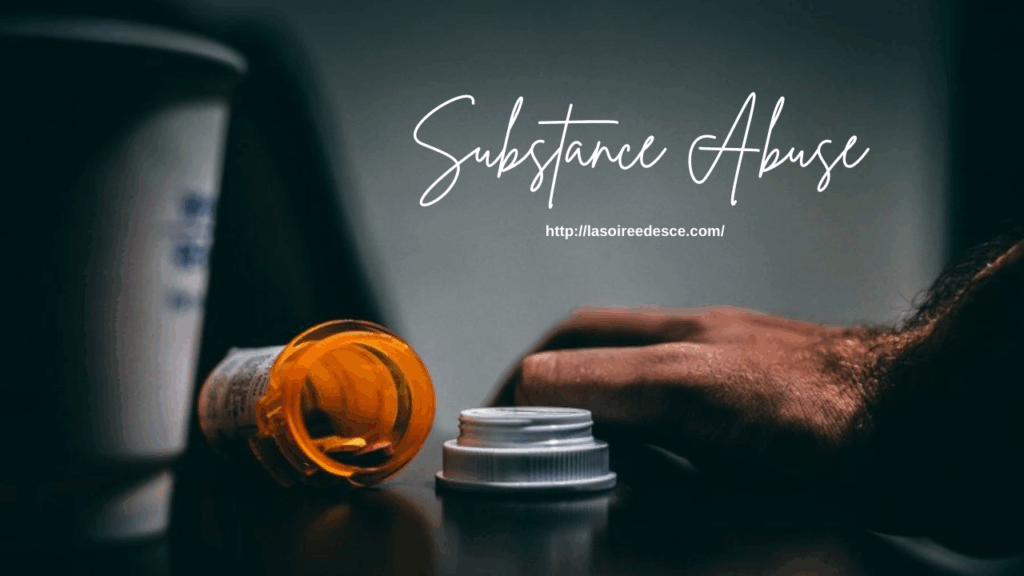
In the public eye, fame shines brightly. It offers opportunities, influence, and admiration. Yet behind the spotlight, there is often a hidden cost. For many high-profile individuals, the pressure to maintain a perfect image can conceal deep struggles with substance abuse. The reality is that addiction can touch anyone, and status often makes it harder to see and address the warning signs. At La Soirée, we understand that behind every public persona is a private life that may need compassionate, professional care.

The Illusion of Control

Fame and influence often create the belief that one can control every aspect of life, including substance use. A celebrity or executive may convince themselves that they can manage it, keep it hidden, or quit whenever they want. In truth, addiction has no respect for status. It thrives in secrecy, and the more someone feels the need to protect their image, the easier it becomes for the problem to grow unchecked.

How Status Hides the Symptoms

Substance abuse can be harder to detect when a person has the resources to mask it. They may have personal assistants who cover missed meetings, stylists who hide physical signs of exhaustion, or publicists who manage damaging headlines. This network of protection, while valuable in their professional life, can delay the realization that help is needed. The very structures built to protect a career can unintentionally enable addiction to continue.

Emotional Isolation

High-profile lives often come with emotional distance. It can be difficult to trust others when fame makes every relationship potentially transactional. This isolation can lead to reliance on substances for comfort, escape, or relief from stress. Without a safe space to share struggles, the cycle of addiction deepens.

The Stigma of Vulnerability

For many in the spotlight, admitting to a problem feels risky. They fear judgment, damaged reputation, or career loss. This stigma can stop someone from seeking treatment until the addiction has already taken a heavy toll on health, relationships, and emotional well-being.

Breaking Through the Barriers

Recovery is possible, and it starts with recognizing that needing help is not a weakness. At La Soirée, we offer discreet, personalized addiction recovery services that respect privacy while providing world-class care. Our programs combine evidence-based treatment with holistic, faith-based approaches that address the mind, body, and spirit. From inpatient programs that provide intensive, supportive care to outpatient services that allow for flexibility, our focus is on creating a treatment plan that fits each individual’s needs.

Healing the Whole Person

We believe in more than just treating symptoms. Our team works to uncover and address the underlying emotional and psychological factors driving substance use. Through counseling, holistic therapies, and personalized support, we help clients build the skills and resilience they need for lasting recovery.

Taking the First Step

Fame can hide the signs of addiction, but it cannot erase the damage it causes. If you or someone you care about is living under the weight of status and struggling with substance abuse, now is the time to act. Reach out to La Soirée and discover a path to healing that protects dignity while restoring hope. You do not have to face this alone.

High Places, Hard Falls: The Hidden Link Between Power and Addiction

Power, by its very nature, is intoxicating. It commands respect, opens doors, and grants access to opportunities most can only imagine. But behind the prestige of leadership and fame, there lies a vulnerable truth—those in high places are often the ones most at risk of hard, hidden falls. Addiction doesn’t spare the powerful. In fact, the conditions that come with influence often feed it.

The world rarely sees this side of success. We see the accolades, the curated confidence, and the polished public image. But for many in positions of power—CEOs, celebrities, politicians, and influencers—addiction festers quietly beneath the surface, fueled by stress, isolation, and an overwhelming pressure to maintain perfection.

Power Creates Pressure

With power comes responsibility, and often, unrealistic expectations. Leaders are expected to be decisive, resilient, and always in control. Public figures are expected to be flawless, inspirational, and immune to failure. This nonstop pressure to perform can be mentally and emotionally exhausting.

In response, many turn to substances as a way to cope. Stimulants to keep going. Alcohol to wind down. Prescription medications to calm nerves or escape insomnia. At first, these habits may seem manageable—even necessary. But over time, they can evolve into dangerous dependencies.

The Illusion of Control

One of the most deceptive aspects of power is the illusion of control. High-profile individuals are used to managing people, projects, and public perception. That same sense of control often extends to their substance use. They believe they can handle it—until they can’t.

Addiction thrives on denial and secrecy, both of which are common in high-powered circles. Admitting to a problem can feel like admitting weakness, something many in leadership positions are conditioned to avoid. By the time the truth surfaces, the damage—personal, professional, and physical—may already be severe.

Isolation at the Top

The higher someone climbs, the lonelier the view can become. Genuine relationships become harder to maintain when people around you have motives or expectations. Many powerful individuals struggle with trust and feel they can’t confide in anyone without risking their reputation.

This emotional isolation creates fertile ground for addiction. Substances become a substitute for connection, offering a false sense of comfort and control in a world that often feels cold and transactional.

The Role of Enablers

In high-profile environments, enablers are common. Whether it’s a personal assistant, agent, colleague, or friend, many will look the other way—or even help maintain the illusion—because they benefit from the person’s continued success. This lack of honest accountability allows addiction to deepen, unchecked.

Finding Redemption Beyond the Fall

Despite the darkness, there is hope. Recovery is possible, even for those who feel they’ve fallen from great heights. In recent years, more powerful figures have come forward with their stories of addiction and healing, proving that vulnerability is not the opposite of strength—it is its foundation.

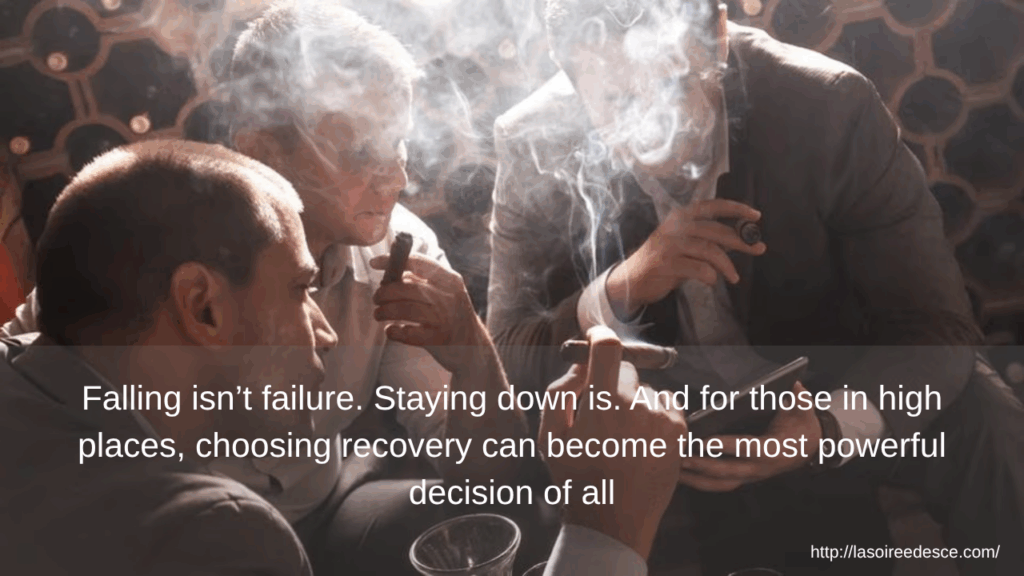
Falling isn’t failure. Staying down is. And for those in high places, choosing recovery can become the most powerful decision of all.